Following the right barn maintenance tips is one of the most important steps you can take to protect your investment in a post and beam structure. Whether your barn serves as agricultural space, storage, a workshop, or part of a homestead, consistent seasonal care is the difference between a barn that lasts decades and one that requires costly repairs.
At Post & Beam Barns by Country Carpenters, our New England–style post and beam barns are designed with longevity in mind. Built using time-tested joinery, carefully selected timber, and thoughtful engineering, these structures are made to endure. Still, like any quality building, regular care helps protect both its beauty and performance.
Here are essential barn maintenance tips to help preserve your structure and ensure it continues to serve you well through every season.
1. Barn Foundation Maintenance: Drainage and Protection Tips
A barn’s longevity begins at the ground level. The foundation supports the entire structure, so keeping it in good condition is critical.
Maintenance Tips:
- Inspect the foundation annually for cracks, shifting, or signs of erosion
- Ensure soil slopes away from the barn to prevent water pooling
- Keep gutters and drainage systems clear so water is directed away from the base
Proper drainage is one of the most effective ways to prevent moisture-related damage, especially in regions with heavy rainfall or snowmelt like New England.
According to Roger Barrett III, director of sales and third generation officer, effective water management plays a critical role in preserving siding, foundations, and structural components over time.
“We typically recommend twelve to eighteen inches of crushed stone in an apron around the building which helps diffuse the water falling off the roof which in return helps the siding. It also helps that water to move away from the building. Depending on the soil type you may want to consider a curtain drain which is a drain buried around the perimeter of the foundation that helps disperse the water once it does collect underground,” said Barrett III.
He also mentioned that special attention should also be given to exposed wood, particularly end grain which is present in areas like the bottom of siding. However if water is exposed repetitively, damage can occur and siding will need to be replaced faster.
Applying a clear penetrating finish such as poly or TWP allows for thorough saturation while maintaining the natural appearance of the timber. Because end grain absorbs moisture more readily, sealing it properly can significantly extend the life of siding and framing members.
2. How to Manage Moisture in a Post and Beam Barn
Moisture is one of the biggest threats to long-lasting barn construction. Even the most durable timber benefits from a dry, well-ventilated environment.
Best Practices:
- Check siding, trim, and exposed posts for signs of water intrusion
- Re-stain or seal exterior wood surfaces every few years, especially those exposed to weather
- Ensure proper ventilation to reduce humidity buildup inside the barn
At Post & Beam Barns, we recommend periodic re-staining of siding and exterior posts to protect against sun exposure, rain, and seasonal changes.
Eastern White Pine is a traditional New England timber prized for its stability, workability, and classic appearance, making it a popular choice in post and beam construction. While it does not offer natural moisture resistance on its own, it performs exceptionally well when paired with high-quality, penetrating oil-based stains that help repel moisture, protect against UV exposure, and preserve the wood’s character. Make sure to thoroughly add the right finish and routine maintenance, to help our Eastern White Pine deliver long-lasting beauty for years to come.
3. How to Inspect Timber Frame Joinery in Post and Beam Barns
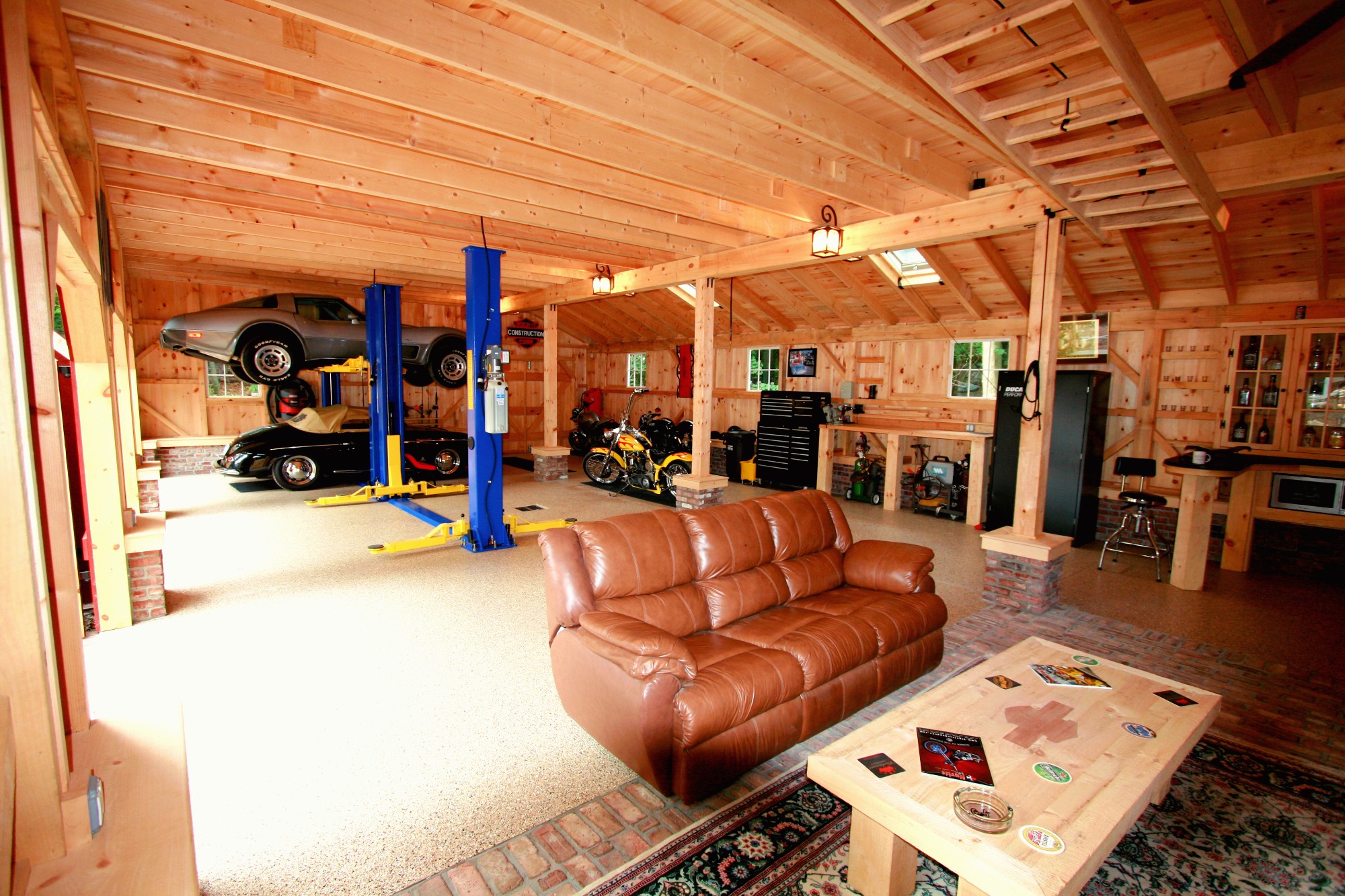
One of the defining features of post and beam barns is traditional mortise-and-tenon joinery. These connections are designed to last, and often grow stronger as timbers naturally settle, but regular inspections help ensure continued structural integrity.
What to Look For:
- Loose pegs or visible gaps in joints that appear to get bigger.
- Signs of excessive movement or cracking
- Cracks that appear to be growing over time
Minor checking (natural surface cracking) is normal in timber and does not compromise strength. However, if you see significant changes in the size of these natural cracks over a short span of time, don’t hesitate to have it evaluated by a professional. Sure! Contact us!
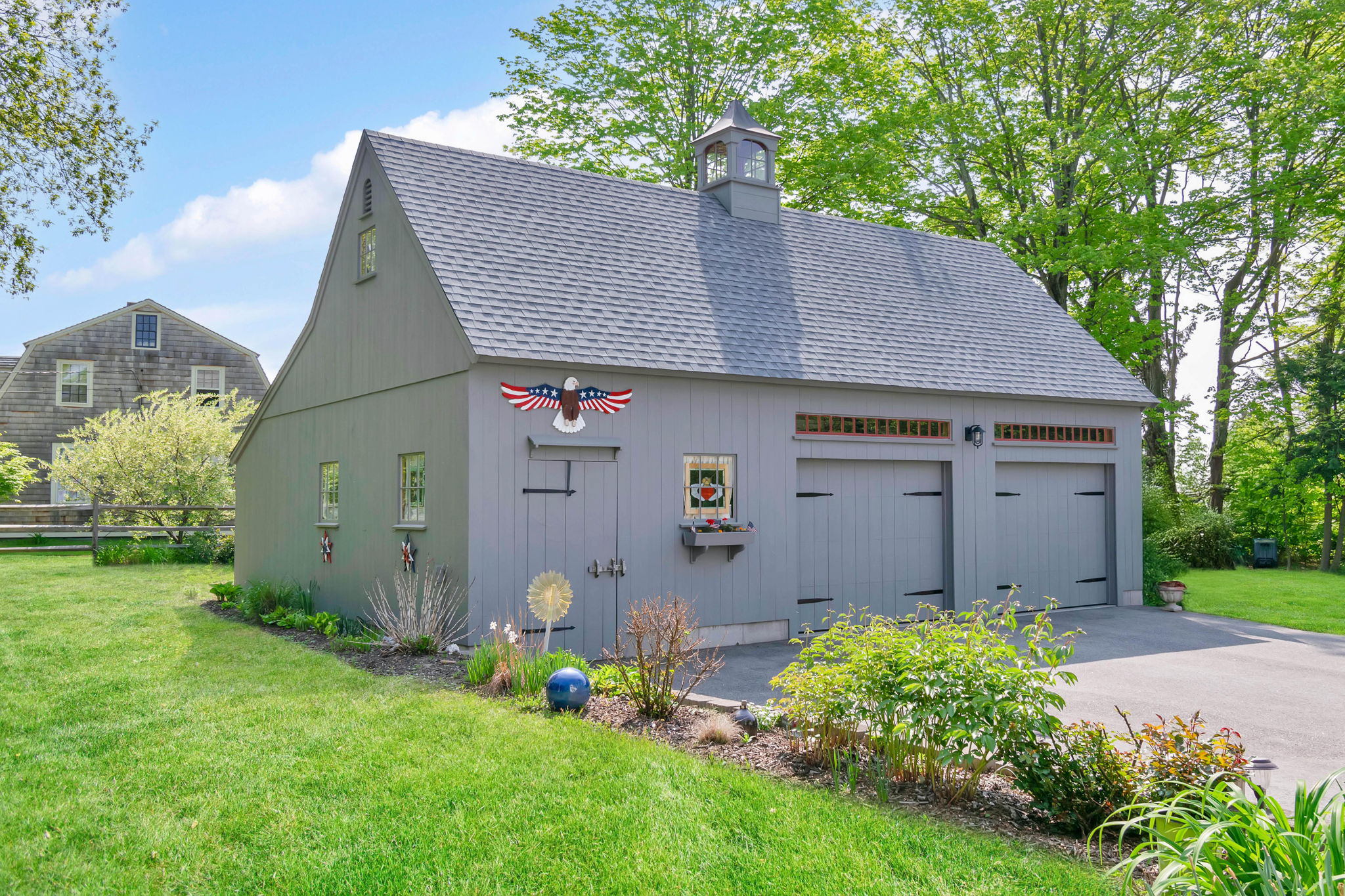
4. Post and Beam Barn Roof Maintenance Tips
The roof is your barn’s first line of defense against the elements. Snow, rain, wind, and sun all take a toll over time, even if it’s built by the best carpenters in the country. (Us of course).
Roof Care Tips:
- Inspect roofing materials annually and after major storms
- Clear debris, leaves, and branches that trap moisture
- Check flashing around ridges, cupolas, and penetrations
In snow-prone climates, proper roof pitch and regular inspections help prevent excessive snow loads and ice-related issues.
5. Caring for Barn Doors, Hardware, and Moving Parts
Barn doors, sliding door tracks, hinges, and hardware are often used daily. Keeping them in good working order improves both function and longevity.
Simple Maintenance Steps:
- Lubricate hinges and sliding tracks as needed
- Tighten loose bolts, handles, or fasteners
- Inspect handcrafted hardware for rust or wear and clean as necessary
At Post & Beam Barns, many of our hinges, latches, and bolts are hand-forged by a third-generation blacksmith using the same techniques passed down through early New England smithing traditions. Fred Brehant III continues the heritage of old-world craftsmanship, heating and shaping steel in a coal forge to create hardware that captures both strength and character.
This attention to artisanal detail means that, with proper care, such as regular lubrication and cleaning, your barn’s handcrafted hardware can endure for generations, adding both sturdy performance and timeless aesthetic appeal to your structure.

6. Pest Prevention for Post and Beam Barns
Even well-built barns can attract insects, rodents, or birds if small openings are left unchecked.
Preventative Measures:
- Seal gaps around doors, windows, and siding
- Keep stored feed in sealed containers
- Trim vegetation away from the barn’s exterior
When you don’t have a Tom to catch Jerry, routine inspections to catch small issues before they turn into costly repairs is a good idea.
7. Interior Barn Maintenance: Keeping the Inside in Good Shape
How you use your barn influences how it should be maintained. Whether it houses animals, equipment, or serves as a workspace, cleanliness and organization go a long way.
Interior Maintenance Tips:
- Keep floors clean and dry to prevent moisture damage.
- Regularly remove waste or debris in animal areas
- Organize tools and equipment to avoid accidental damage to posts or walls
A clean, well-managed interior supports both structural health and daily efficiency.
8. Your Seasonal Barn Maintenance Schedule
One of the easiest ways to ensure long-term performance is to establish a simple seasonal maintenance routine.
Suggested Annual Schedule:
- Spring: Inspect for winter damage, check drainage, clean gutters
- Summer: Re-stain or seal exposed wood, inspect ventilation
- Fall: Prepare roof and doors for colder weather, clear debris
- Winter: Monitor snow loads and interior moisture levels
This proactive approach helps preserve your barn’s integrity without requiring extensive effort. Get on the schedule!
Cared for with Intention
At Post & Beam Barns by Country Carpenters, our barns are crafted with the same philosophy that has guided our family company for over 50 years: honoring tradition, building with integrity, and creating structures that live in harmony with the land and the people who use them.
While our post and beam barns are designed to stand strong for generations, thoughtful maintenance ensures they continue to bring beauty, function, and peace of mind year after year.
A barn isn’t just a building, it’s part of your landscape, your livelihood, and often your legacy. With regular care and attention, your barn can remain a reliable, timeless presence through every season of life.
Frequently Asked Questions About Barn Maintenance
Do post and beam barns require special roof maintenance?
Like any structure, roofs should be inspected annually and after severe weather. Keeping debris cleared and checking flashing helps protect against leaks and moisture damage
How long does handcrafted barn hardware last?
High-quality, hand-forged hardware can last for generations when properly cared for. Regular cleaning, lubrication, and tightening help maintain smooth operation and prevent rust or wear. Even if it’s made by Fred you still need to maintain these pieces of art!
What is the most important factor in extending the life of a barn?
Proper moisture management is key. Good drainage, routine sealing or staining, and keeping water away from the foundation and siding all play a major role in long-term durability. As you’ve read there’s a common theme here. Water is bad for your barn… love your barn by caring for it throughout the year.
How do cupolas, sliding barn doors, and weathervanes affect maintenance needs?
Architectural accessories add character but should be included in routine inspections. Checking flashing around cupolas, ensuring sliding door tracks remain clear, and securing decorative elements like weathervanes helps maintain both function and weather resistance.
Ready to Build or Maintain Your Dream Barn?
If you’d like guidance on maintaining your barn or are considering adding a handcrafted post and beam structure to your property, Post & Beam Barns by Country Carpenters is here to help! Our building kits are available for delivery throughout the U.S. and internationally, offering enduring quality rooted in New England tradition.
Now is the season to build that garage, guest house space, or personal office oasis.
Contact us! We’re looking forward to hearing from you.